
First Fifteen In Photoshop
An intro challenge…
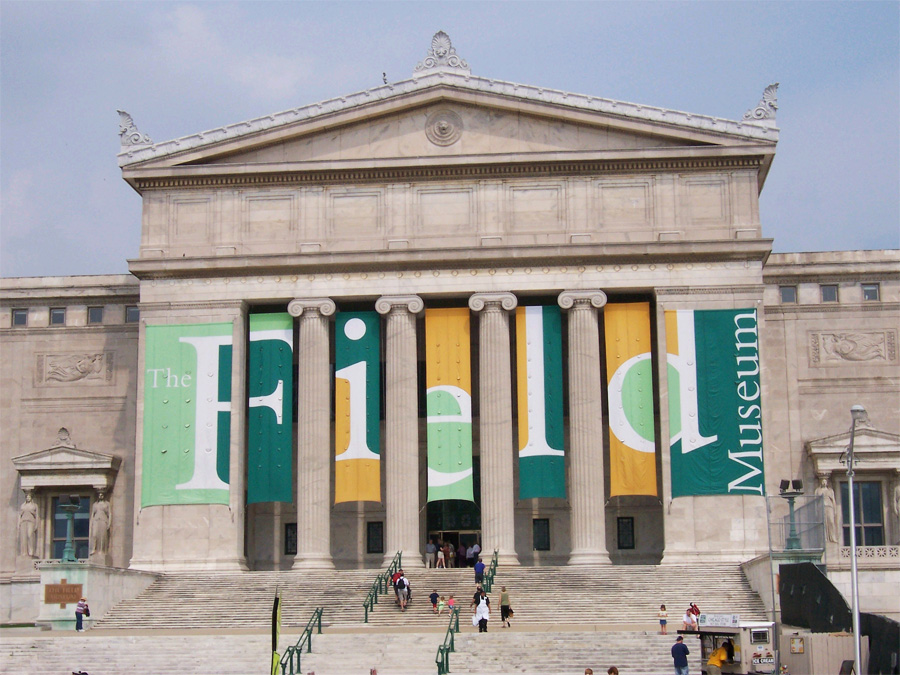
The “white picket” fence above is symbolic for a variety of reasons.
In some lights it represents an idealized home, in others, it seems
to be more an overly sentimental vision of domestic bliss.
Either way, take the first few minutes of class and using your Photoshop prowess, place the person you would most like to keep “behind” this fence…
* * * * * * * * * *
Demo time!
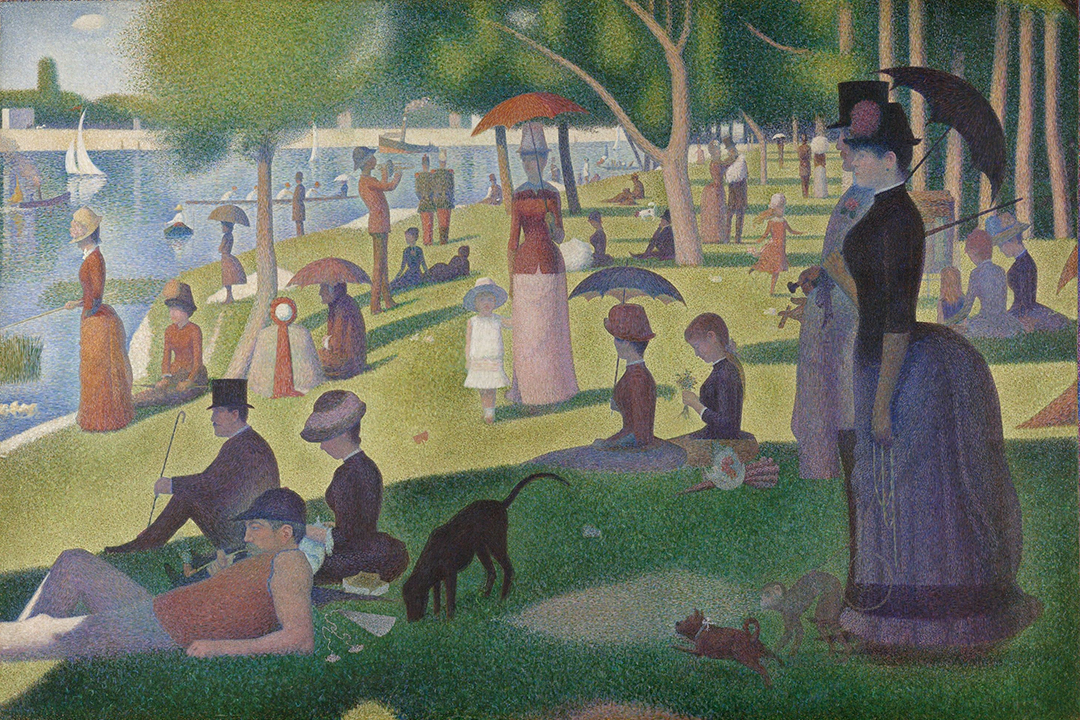
(Seurat, Sunday Afternoon on the Island of La Grande Jatte, 1884)
* * * * * * * * * *
In-Class Warm-up Project:
Granted, probably not everyone in the class reads the newspaper these days, but there is a rich tradition in the printed (and now digital) which gets to the heart of today’s discussion of design.
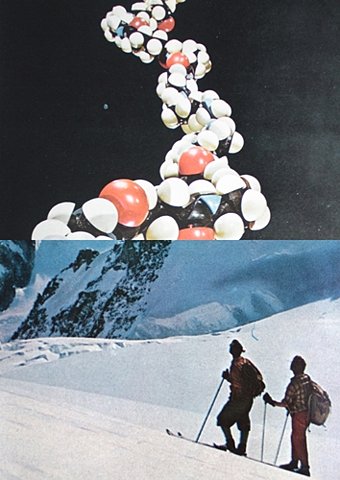
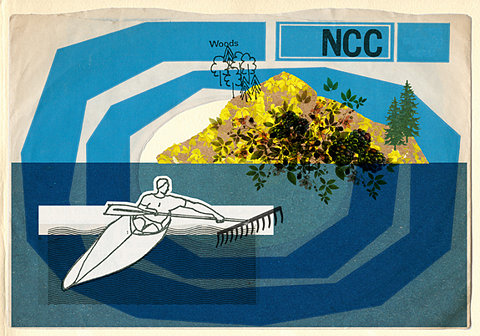
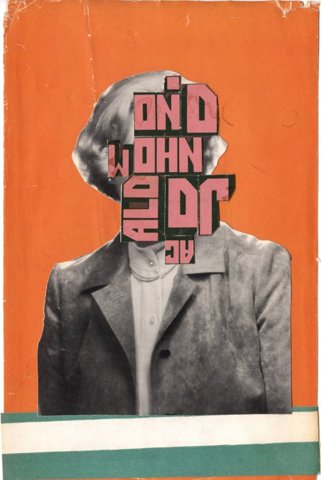
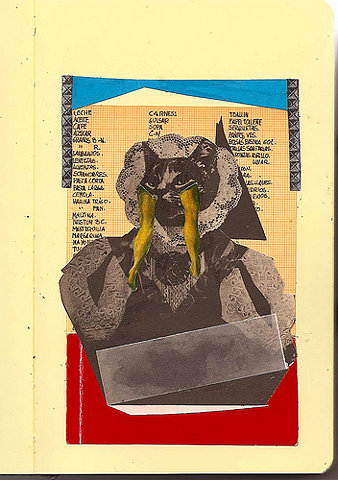
Editorial designs and illustrations are an attempt to present ideas in a visual fashion, while somehow adding to the experience of a written article.
Consider the following:
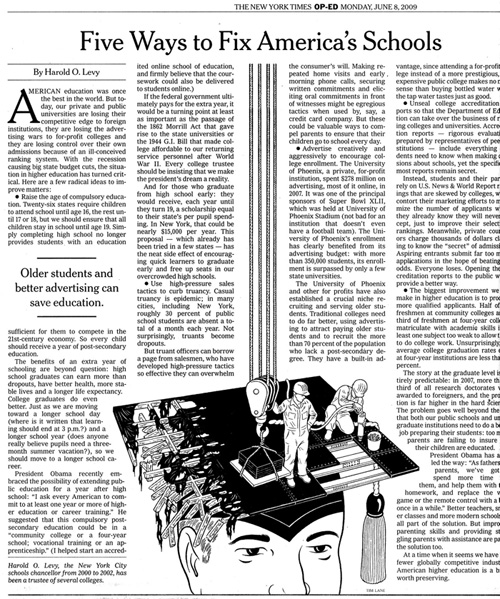
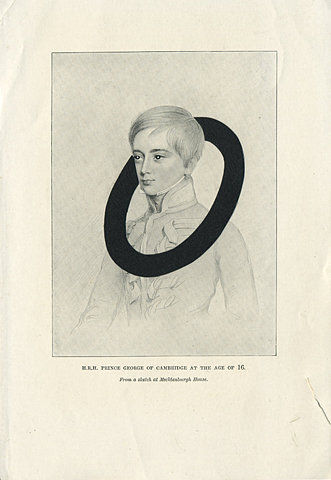
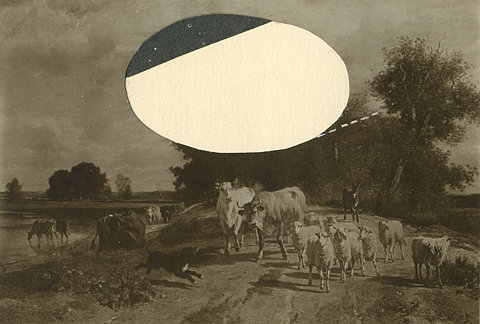
Note the way both the layout of the article, and the actual imagery connect with the subject matter.
There isn’t quite as much leeway with the online versions:
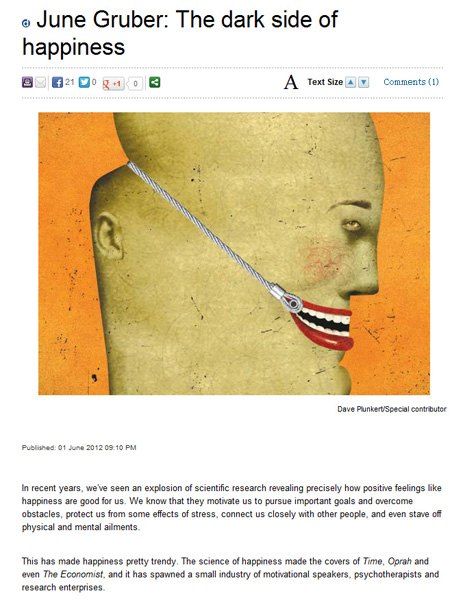
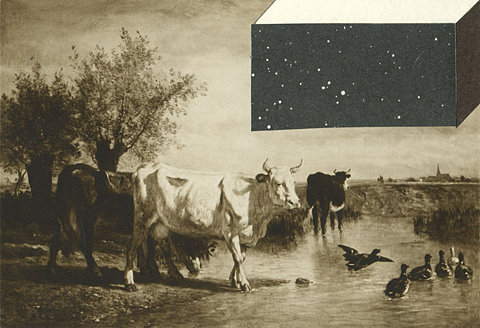
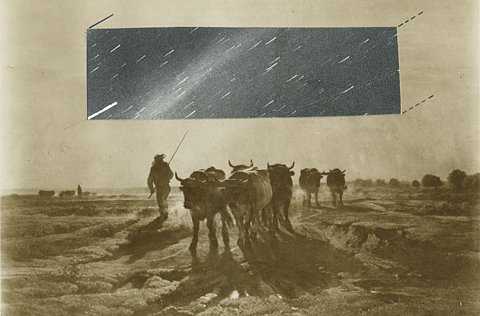
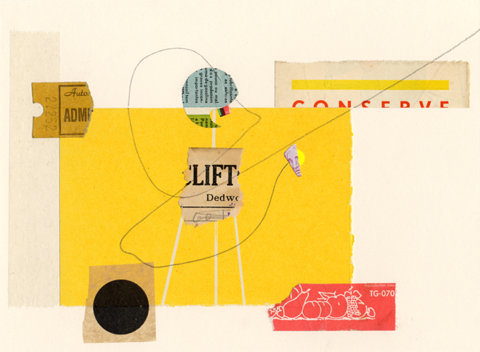
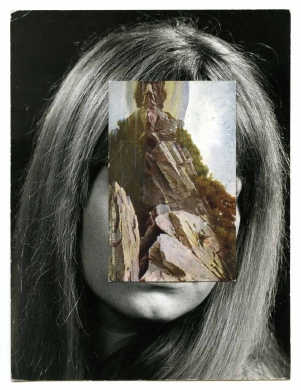
Here’s another piece by the same designer:
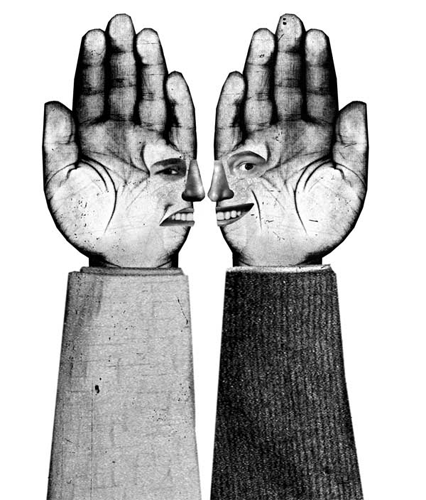
What sort of article might relate to this?
* * * * * * * * * *
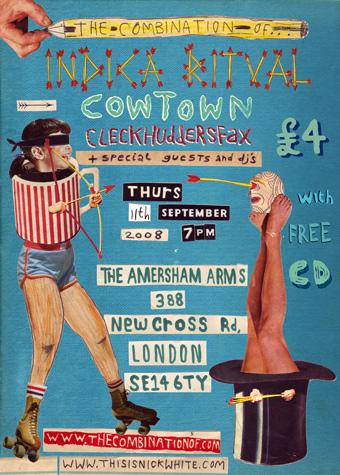
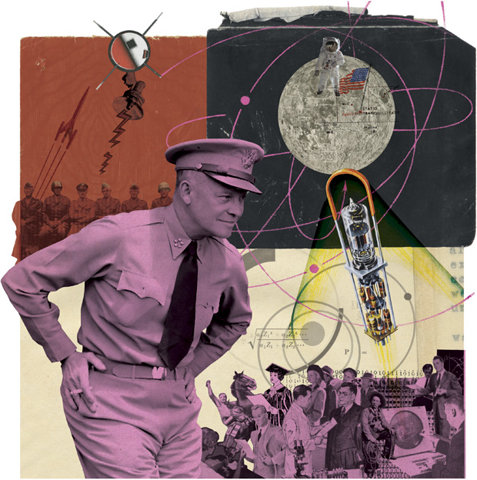
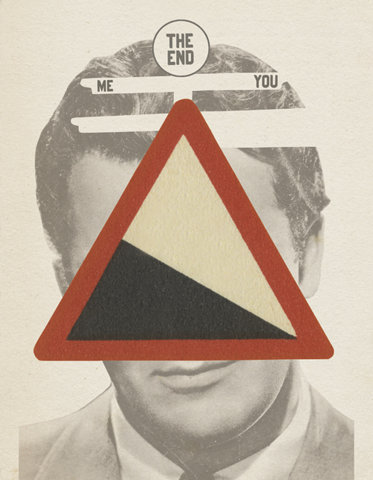
Issues to consider:

* * * * * * * * * *
Based on today’s discussion, consider the following text:
L.A. Zoo is not a ‘happy’ place for elephants
The Los Angeles Zoo “is not a happy place for elephants, nor is it for members of the public who go to the zoo and recognize that the elephants are neither thriving, happy, nor content,” declared L.A. Superior Court Judge John L. Segal in the decision he signed Monday ruling in favor of two local citizens and animal welfare advocates who sued the zoo, arguing it mistreats its pachyderms.
“Captivity is a terrible existence for any intelligent, self-aware species, which the undisputed evidence shows elephants are. To believe otherwise, as some high-ranking zoo employees appear to believe, is delusional. And the quality of life that Billy, Tina, and Jewel endure in their captivity is particularly poor.”
The judge was withering in his opinion that the elephant keepers and even a zoo vet were clueless when it came to understanding the behavior of elephants. He said he found it particularly disturbing that the senior elephant keeper would consider the head-bobbing of the bull elephant, Billy, a sign of a contented elephant as opposed to being an abnormal behavior, as elephant experts testified at trial.
But the judge stopped short of what the plaintiffs wanted, which was to close the zoo’s elephant exhibit and send the animals to a sanctuary. Segal said that “the court finds that although the Los Angeles Zoo is not treating its elephants well, the zoo is not abusing them.”
Instead, he issued an injunction against the zoo using bullhooks and electric shock in working with the elephants. (Zoo officials said they had voluntarily stopped doing all of that, but the judge said he wasn’t convinced they would continue that ban voluntarily.) He also issued an injunction requiring the elephants to be exercised at least two hours a day and to rototill the soil they trod to prevent foot injuries.
The judge’s ruling is a stunning rebuke of L.A. Zoo officials, who have steadfastly insisted for years that the zoo — which recently opened a $42-million elephant exhibit — is offering state-of-the-art management of its elephants. Now it’s time for zookeepers and officials to start working hard to improve their care of the elephants. Instead of dismissing wildlife experts who criticize them, the zoo should be consulting with them on how to retool the elephant exhibit and overhaul the daily lives of these majestic animals.
In-Class, As a Group…
- What is it about?
- Who are the characters in this story?
- What is the conflict or at stake in the story?
- What is interesting, stands out, or puzzles you?
- Is there an “angle” to emphasize? In other words, what aspect of the story should come across most clearly?
- Pick two aesthetic directions.
- Split up to work on your own concept sketch.
Homework
The Specs
Now, using Photoshop, and the masking/montage techniques we have discussed, create a concept illustration to accompany this potential piece.
The Photoshop file should be 1000px wide by 1000px high, at 72 PPI.
Don’t worry about the text layout yet (we’ll get to that very soon), instead focus on the “WHAT” and the “HOW” of the main artwork.
Use any images found on the web. However, NO live text or your own hand-drawn illustrations/drawings.
For this piece COMBINE two different aesthetic directions based on these choices:
- Elegant
- Rough
- Energetic
- Slick
- Home-Made
- Clean
- Retro
One concept sketch by the close of class.
Your editorial illustration should be uploaded by the beginning of the next class to the HW_03: L.A. Zoo discussion in CI Learn.
We’ll discuss your results then!
